

Context analysis in instructional design looks closely at the environment where learners engage with content. It helps identify their needs and ensures that the design fits the realities they face. In this reflection, I’ll look at two well-known models for context analysis: Smith and Ragan’s model and the Dick, Carey, and Carey model.
Each takes a different approach to understanding context before the design process begins. My goal is to compare how they work, highlight what makes each one unique, and see how their strengths can be combined to improve instructional design. Together, these models offer valuable insights for creating learning experiences that truly fit their setting.
The Dick, Carey, and Carey Model
The Dick and Carey systems approach helps instructional designers build curricula through nine connected steps, each centered on a clear instructional goal (Dick, Carey, & Carey, 2005). It looks at everything that shapes learning—the instructor, the learners, the materials, the activities, the delivery systems, and the environments where both learning and performance happen.
Unlike more traditional models, Dick and Carey’s framework uses a curvilinear flow with one-way arrows, showing a smoother, more practical path for designing instruction (Branch, 1996).
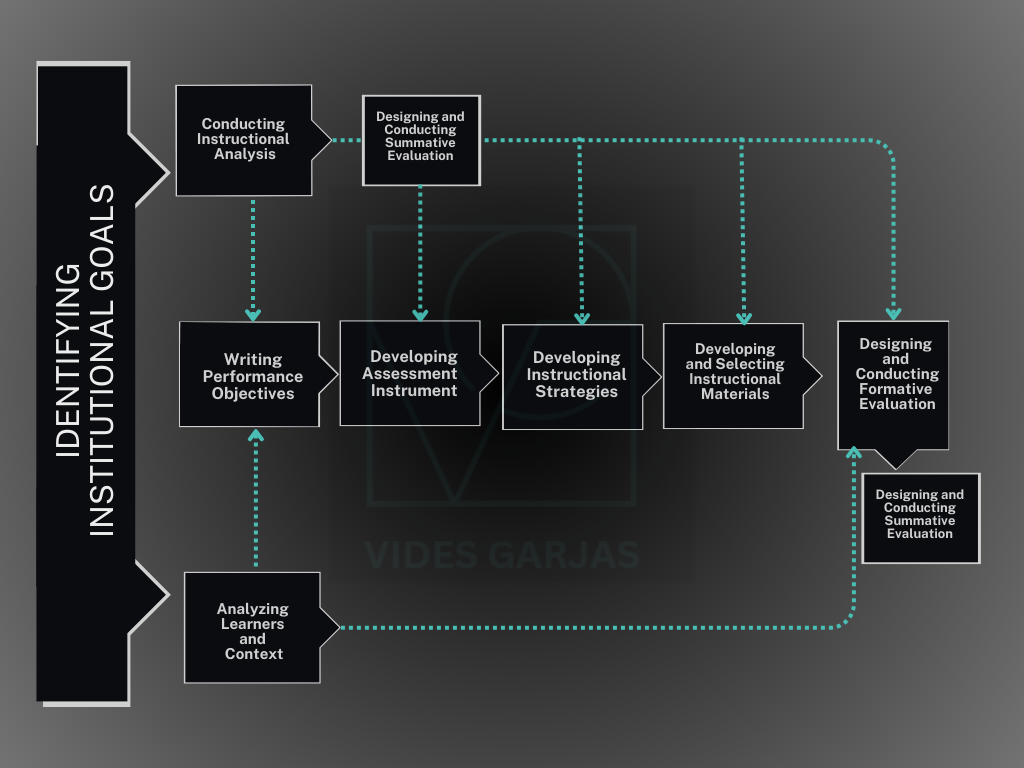
Figure 1: The Dick and Carey Systems Approach Model (Dick et. al., 2005)
This model aims to create a comprehensive learning experience. It considers how learners need to acquire and engage with the material, and how it aligns with their broader learning environment. One instance that stands out for this scenario is when I attended a seminar-workshop on Curriculum mapping and applied them in a classroom setting, where Dick, Carey, and Carey’s Model might be particularly effective. As a teacher, I primarily played the role of a curriculum implementer. This model offers a broader perspective that becomes clearer when considering the curriculum focusing on delivering designed content to students.
The Dick, Carey, and Carey Model breaks down the instructional design process into nine clear stages:
- Identifying Instructional Goals: What knowledge, skills, or attitudes should learners acquire to address real-world needs? This stage focuses on setting clear, outcome-based goals that align with institutional objectives.
- Conducting Instructional Analysis: What are the essential steps and skills learners must master to achieve the set goals? This phase breaks down the learning process into critical components, revealing what learners need to know and do.
- Analyzing Learners and Contexts: Who are the learners, and what is their current level of knowledge, skills, and attitudes? This stage examines the learners’ profiles and the conditions under which they will learn, ensuring the design fits both the audience and the learning environment.
- Writing Performance Objectives: How can we define success for our learners? This stage involves setting specific, measurable objectives that guide the entire instructional design process, outlining what learners should be able to demonstrate after the instruction.
- Developing Assessment Instruments: How do we measure whether learners have achieved the desired outcomes? This phase focuses on creating assessments that accurately reflect learners’ mastery of the objectives, ensuring alignment between what is taught and tested.
- Developing Instructional Strategies: What is the best way to facilitate learning and engagement? This stage designs a plan for delivering content, incorporating methods and techniques that promote effective learning experiences.
- Developing and Selecting Instructional Materials: Which resources will best support the instructional strategies? This phase involves curating or creating materials that align with the instructional plan, ensuring they meet the needs of both the learners and the objectives.
- Designing and Conducting Formative Evaluation: How can we improve the instruction before it is fully implemented? This stage emphasizes gathering feedback during the development process, allowing for adjustments and enhancements to optimize learning outcomes.
- Designing and Conducting Summative Evaluation: Did the instructional design achieve its goals? This final phase assesses the instruction’s overall effectiveness, determining whether it met the performance objectives and contributed to learners’ success.
Each stage serves a distinct purpose, creating a structured approach to designing a comprehensive curriculum. These questions help design content that is directly applicable to learners’ real-world contexts.
The Smith and Ragan Model
The Smith and Ragan Instructional Design Model places strong emphasis on context analysis, focusing on the unique needs, characteristics, and environments of learners. Smith and Ragan (2005) suggest that instead of rigidly following one model, instructional designers should develop a flexible mental framework grounded in solid theoretical principles. This approach recognizes that design is rarely a straight line. Many processes happen at the same time, and changes in one area often require adjustments in others. Designers can draw from different models, adapt them, and respond to the realities of a specific learning context.
Smith and Ragan built their model on a wide body of research, crediting scholars such as Robert M. Gagné, M.D. Merrill, and C.M. Reigeluth for their foundational work in learning and instructional theory (Smith & Ragan, 2005, p. 21).
Their process is organized into three main phases:
Implementation, Management, and Evaluation – Delivering instruction, managing its rollout, and assessing its success to refine and improve.
Analysis and Assessment – Examining learners, content, and the environment to identify needs and constraints.
Instructional Strategies – Planning how to teach effectively, using methods suited to both learners and goals.
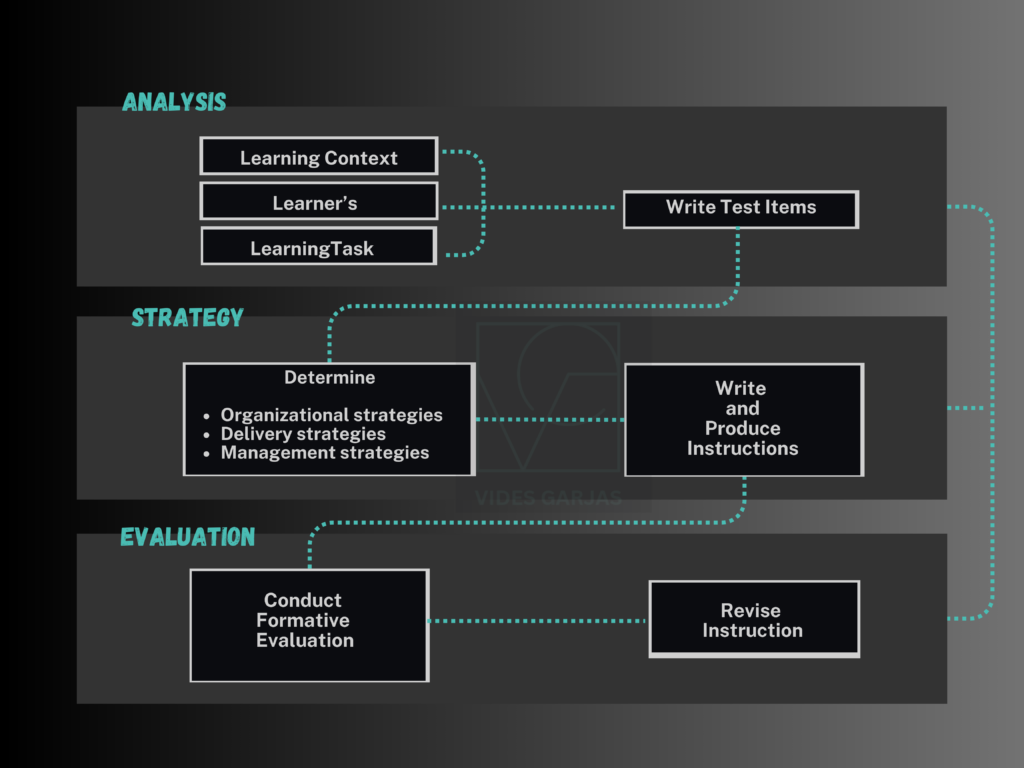
Figure 2: Smith and Ragan Model (Smith and Ragan 2005)
The analysis and assessment stage takes place before creating instructional materials and includes four main parts: examining the context, understanding the learners, analyzing the tasks, and planning how to evaluate learning. To save time, designers sometimes neglect or skip this initial analysis. However, Smith and Ragan suggest that dedicating time to this early analysis can lead to savings in time and costs, and reduce frustration in the long run.
The instructional strategies stage includes a designer’s organizational strategies
and should answer the following three questions: (1) What content is needed? (2) How should
the content be presented? (3) How should it be sequenced? Delivery strategies provide detailed examples and suggestions for developing knowledge-specific delivery of instruction. It answers questions: (1) What instructional medium will be used? (2) How will learners be grouped? Management strategy is about the scheduling and allocation of resources.
The Implementation, Management, and Evaluation Stage. The Smith and Ragan model emphasizes the interconnectedness of the implementation, management, and evaluation phases, contrary to the perception of them being separate. Implementation involves executing designs in their intended context. Smith and Ragan outline the importance of early conversations about key concepts in implementation, specifically diffusion, dissemination, adoption, and the role of stakeholders. Management of Instruction outlines the role of project managers in facilitating design teams while balancing project constraints—quality, cost, time, and scope. Evaluation is vital during and after development to assess whether instructional strategies effectively achieve desired learning outcomes. Formative evaluation helps identify instructional flaws and is essential for refining materials before implementation. It should involve iterations of testing with target audiences, progressing from one-on-one evaluations to small-group trials and then field trials with larger samples. The summative evaluation assesses the overall effectiveness after project completion, guiding improvements by answering specific questions related to learner outcomes and the efficiency of the instruction.
In order to understand both models better, here’s a Venn diagram to compare and contrast their features:
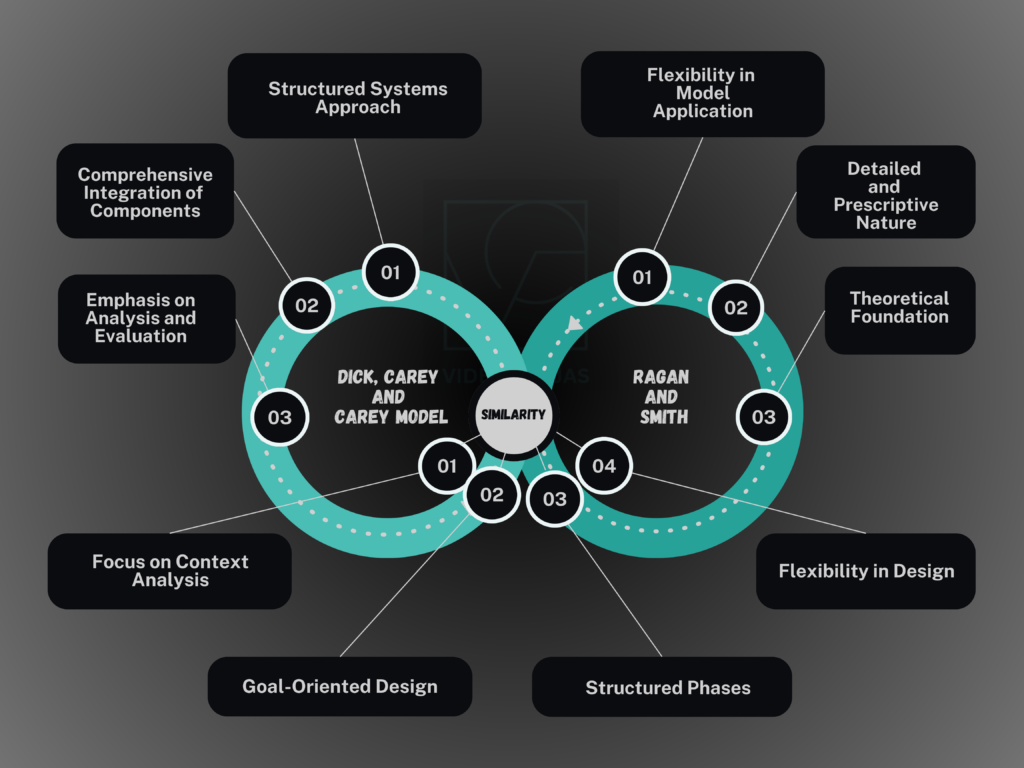
Figure 3: Venn diagram to compare and contrast both models
Smith and Ragan’s Model emphasizes flexibility in instructional design. Think of this model as a customizable toolkit—it’s adaptable, allowing designers to incorporate elements from various models to fit specific learning contexts (Smith & Ragan, 2005). This model focuses on context analysis, encouraging designers to adjust their strategies based on the learners and the learning environment. It also leans on theory, offering detailed and prescriptive guidelines to create adaptive learning experiences.
Dick and Carey’s Model operates like a well-oiled machine, using structured systems approach to guide curriculum development. Its strength lies in how it integrates all components of instruction, from learners to materials and delivery methods. This model excels in large-scale, standardized training programs where you need everything to align seamlessly.
If you look at the middle section where the circles overlap, you’ll notice that both models share several core features. Both emphasize the importance of context analysis, considering the learning environment and learner characteristics. They also focus on goal-oriented design, ensuring that instructional strategies align with the desired learning outcomes. And while each model has its structured phases, they allow room for adaptation to suit different instructional needs, though Smith and Ragan lean more towards flexibility, whereas Dick and Carey emphasize a clear, step-by-step approach.
How to apply both models in instructional design
We can design a robust yet flexible compliance training program by blending the Dick and Carey model with the Smith and Ragan model. Start with Dick and Carey’s structured framework to ensure every module covers essential policies, safety protocols, and legal requirements. Clear objectives guide the training so learners can navigate each compliance area with measurable outcomes.
Then, bring in the adaptability of Smith and Ragan to make the content engaging and relatable. Integrating real-world scenarios and case studies aligned with industry regulations helps learners connect abstract rules to practical situations. This hybrid approach also makes it easier to update content in real time whenever new compliance standards appear, keeping the training current and relevant.
A similar strategy works well for professional development workshops for educators. Dick and Carey’s emphasis on structured evaluation helps measure the impact of each session. Gathering feedback through assessments and surveys shows what worked and what needs refining. From there, the flexibility of Smith and Ragan allows sessions to adapt based on participants’ insights, making the workshops more responsive to the real challenges teachers face.
Combining both models creates a continuous feedback loop—one that keeps training effective, up to date, and responsive to diverse learning environments.
Final Thought
Both the Dick and Carey model and the Smith and Ragan model offer useful guidance for instructional design. The better choice depends on the design goal. Smith and Ragan suits work that requires theoretical grounding and adaptability across learning contexts. It supports decisions that respond to learner needs, content demands, and situational limits. Dick and Carey works well when instruction must follow a consistent process that supports replication across programs or settings.
No single model fits every situation. Effective design depends on knowing when to rely on clearly defined steps and when to allow adjustment. That judgment supports instructional solutions that meet learning goals while responding to the needs of the audience.
References
Chaparro, R., Reaves, M., Jagger, C. B., Bunch, J. C. (2023). Instructional design using Dick and Carey
systems approach. https://edis.ifas.ufl.edu/publication/WC294
Christopher, A. (2011). The Smith & Ragan model. Model Resource.
http://www.angelachristopher.net/uploads/8/3/2/4/832462/model_resourceassignment.pdf
Franklin, D. (2011). Needs assessment: Materials based on Smith & Ragan (2007), Instructional
Analysis: Analyzing the Learning Context [PowerPoint slides]. Slideplayer.
https://slideplayer.com/slide/7342491/
Rockinson-Szapkiw, A. (2016). Module 3: Analysis (P3: Learner and Context Analysis).
https://amandaszapkiw.com/elearning/principles-of-design/module-3
3/Module_3_Instructional_Unit_P3(PDF).pdf